
What to Look For in a Video Production Studio Rental
Renting a studio can be one of the best decisions you make for a video project. A controlled environment means predictable lighting, clean audio, and no surprises from weather, traffic noise, or curious onlookers.
But not all studio spaces are created equal. A space that photographs beautifully online can still create problems on shoot day if it lacks the practical features a production needs.
Whether you are a business filming your own content, a producer scouting locations, or a photographer looking for a controlled space, here is what to evaluate before you book.
Quick Answer
Before booking a video production studio, check these essentials:
Enough space for your setup, including camera distance and lighting
Ceiling height of at least 10 to 12 feet for proper lighting placement
Sound isolation from roads, HVAC systems, and neighboring units
Sufficient electrical power for lights and equipment
What is included in the rate: lighting, backdrops, furniture, crew
Load-in access, parking, and client amenities
The right studio saves setup time, improves quality, and often costs less than solving problems on location.
Space and Ceiling Height
The most common mistake first-time renters make is underestimating how much room a production needs.
A simple one-person interview requires more than a corner. You need distance between the subject and the background for depth, room for the camera to sit back at a flattering focal length, and space for lights on both sides. That modest setup can easily use 400 square feet.
Ceiling height matters just as much as floor space. Professional lighting is usually positioned above the subject, angled downward. Low ceilings force lights into unflattering positions and cause spill you cannot control. Look for a minimum of 10 to 12 feet, and more if you plan wide shots or overhead work.
Sound: The Factor Most People Forget
You can fix a lot in post-production. Bad audio is not one of them.
When touring or inquiring about a studio, ask:
What is nearby? Highways, train lines, flight paths, and busy retail neighbors all bleed into recordings.
Can the HVAC be turned off during takes? Air handling noise is the most common audio problem in rented spaces.
What are the walls and floors made of? Large empty rooms with hard surfaces create echo that makes dialogue sound hollow.
Are other tenants sharing the building, and what do they do during business hours?
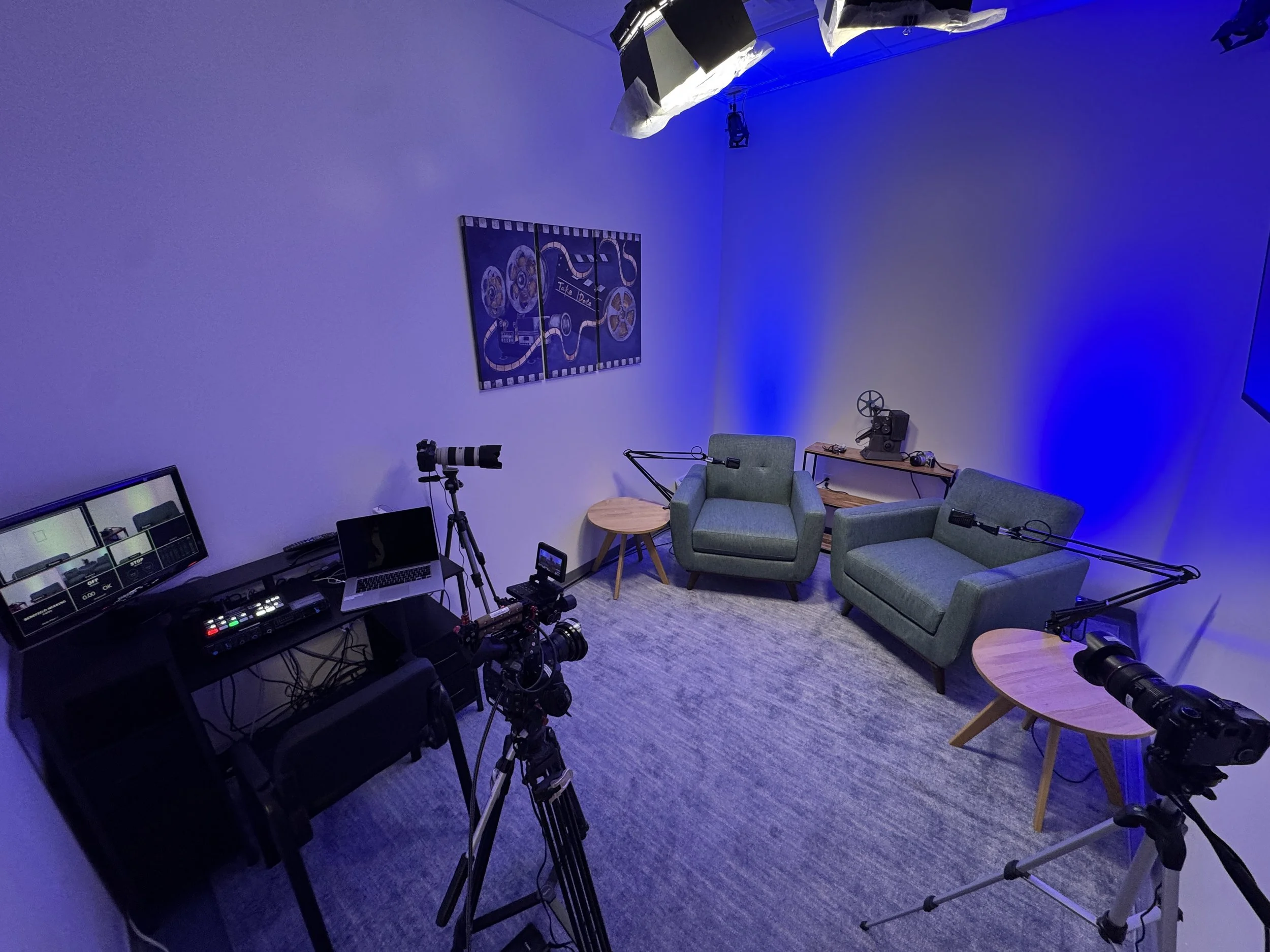
A studio designed for video will have sound treatment on the walls, quiet climate control, and isolation from neighbors. A converted warehouse or event space often will not.
Power and Electrical Capacity
Professional lighting and equipment draw serious power. A residential-style space with standard circuits can trip breakers repeatedly once multiple lights, monitors, and chargers are running.
Ask how many circuits are available in the shooting area and whether the studio has handled full productions before. If the answer is vague, that is a signal.
What Is Actually Included?
Studio rates vary widely, and the difference is usually what comes with the room.
Ask specifically about:
Lighting: Is a grid or lighting package included, or do you bring your own?
Backdrops: Seamless paper, green screen, or built sets?
Furniture and staging: Interview chairs, stools, tables, apple boxes
Grip equipment: Stands, flags, sandbags, extension cables
Audio gear: Some studios include microphones, others are camera-and-lights only
Crew: Is a studio technician on site to help, or are you on your own?
A bare-bones room at a low hourly rate can end up costing more than a fully equipped studio once you rent and transport everything separately. If you need gear beyond what is included, ask whether the studio also handles equipment rentals, since picking everything up in one place saves real time.
Load-In, Parking, and Practical Logistics
Shoot days involve moving a lot of stuff. Before booking, confirm:
Ground-level load-in or a freight elevator, not a flight of stairs
Parking for crew and clients, close to the door
Restrooms and a place for talent to change or touch up
A waiting or client area, especially if decision-makers attend the shoot
Wifi that can handle file uploads if you need same-day delivery
None of these affect image quality, but all of them affect how the day feels, and whether people want to work with you again.
Booking Flexibility and Overtime
Productions run long. It is the nature of the work.
Ask what happens if you need an extra hour, whether there is a hard out because of another booking, and how early you can arrive to load in. A studio that builds in reasonable buffer time is signaling that they understand production.
Also ask about the cancellation and weather policy. Florida afternoon storms are real, and while a studio shoot is protected from rain, your crew and talent still have to get there.
New to production? Here's what to expect during the video production process.
Studio Rental vs. Filming On Location
Sometimes your own office or storefront is the right backdrop, especially when the space itself tells your story. But a studio usually wins when:
You need consistent, repeatable lighting across multiple videos
Audio quality is critical, like interviews and testimonials
Your location is too small, too loud, or too busy to film in
You are batch-filming multiple videos in one day
You want a clean, professional look without renovating anything
Many businesses use both: b-roll captured at their location, interviews filmed in a studio. Batch filming is also the single best way to stretch a budget, as we covered in our guide to video production costs in Orlando.
Questions to Ask Before You Book
To make it easy, here is the short list to send any studio before committing:
What are the dimensions and ceiling height of the shooting space?
What lighting, grip, and audio equipment is included in the rate?
Can the HVAC be silenced during takes?
How many electrical circuits serve the stage area?
What is the load-in situation and where does the crew park?
Is a technician or studio manager on site during rentals?
What is the overtime rate and cancellation policy?
Any studio comfortable answering these is a studio that has hosted real productions.
Frequently Asked Questions
-
Studio rentals in Central Florida typically range from $75 to $200 per hour depending on the size of the space and what equipment is included. Full-day rates often provide better value than hourly booking.
-
It depends on the studio. Some rentals are space-only, while others offer equipment packages and crew services. If you need a camera operator, lighting, or directing help, ask whether the studio can provide production support.
-
For most projects, one to two weeks of lead time is enough. Book further ahead if you need a specific date, have a large crew, or are filming during busy seasons.
-
Yes. A studio is ideal for batch filming because the lighting and setup stay consistent. With planning, one session can produce interviews, testimonials, and social media content for weeks of publishing.
Ready to See a Studio Built for Production?
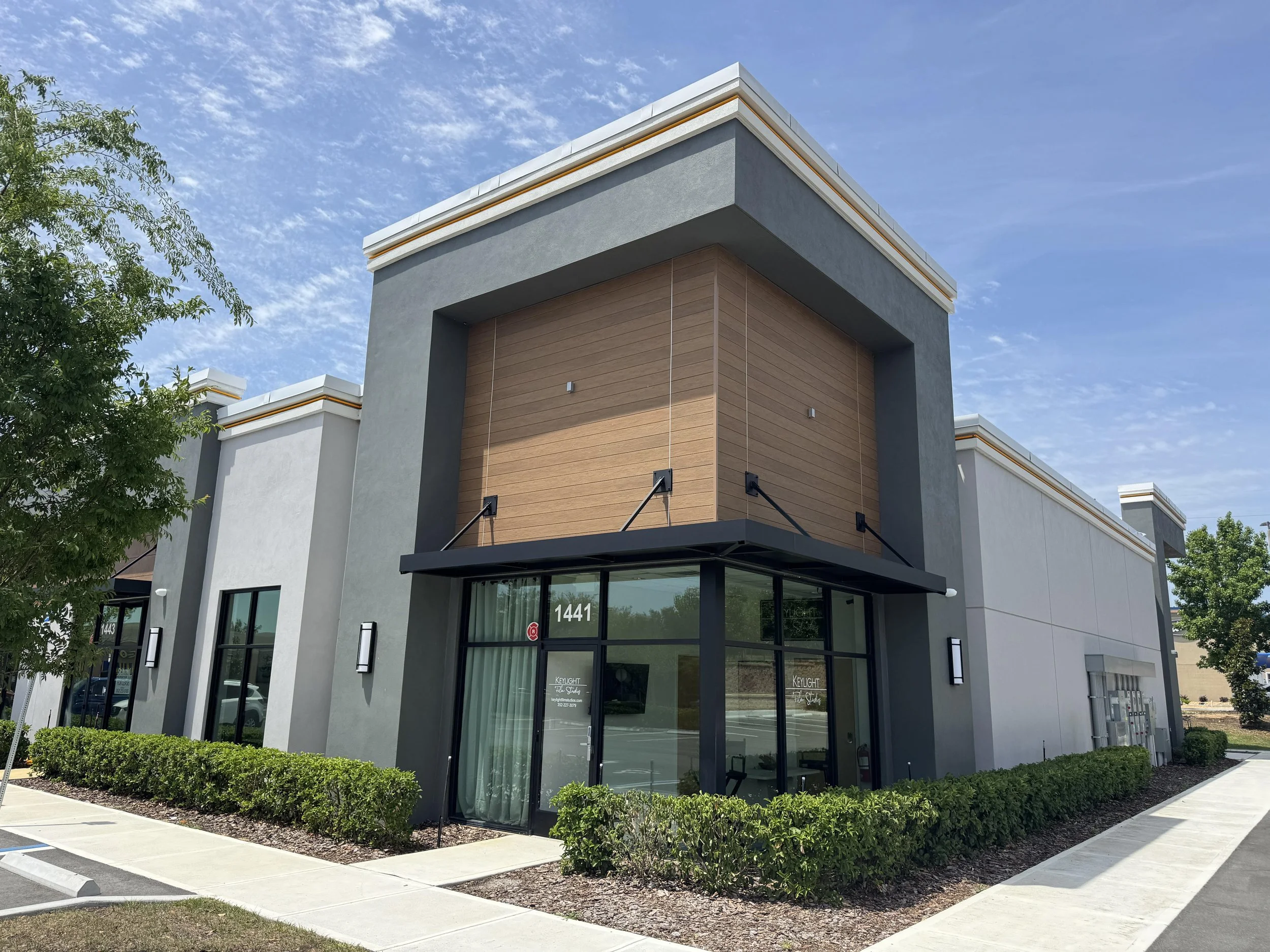
Keylight Film Studios offers a fully equipped video production studio in Clermont, minutes from Orlando, along with professional camera, lighting, and grip rentals and experienced crews when you need them.
Contact the Keylight team to check availability or schedule a walkthrough.