
How to Prepare for Your Video Shoot
If you have a video shoot coming up, you might be feeling a mix of excitement and nerves. That is completely normal, especially if this is your first time being on camera or hosting a production at your business.
Here is the good news: the clients who have the smoothest, most enjoyable shoot days are not the most experienced ones. They are the most prepared ones. And preparation is simple when you know what actually matters.
This guide covers everything to handle before the crew arrives, so filming day feels easy and the footage turns out the way you imagined.
Quick Answer
To prepare for your video shoot:
Confirm the schedule, participants, and locations with your production team
Prepare talking points, not scripts, for interviews
Choose wardrobe that fits your brand and works on camera
Get your location camera-ready, or plan for a studio
Brief your team so everyone knows what to expect
Get a good night's sleep and eat before you arrive
You do not need to be perfect on camera. Your production team's job is to make you look and sound your best.
One Week Before: Confirm the Plan
The week before your shoot is about eliminating surprises.
Run through this list with your production team:
Confirm the date, arrival time, and full schedule for the day
Confirm who is being filmed and that they know when to arrive
Review the shot list or interview questions if they were shared
Confirm the location, parking situation, and where the crew loads in
Flag anything happening that day: deliveries, meetings, fire drills, loud maintenance
If any decision-makers want input on the video, this is also the week to get their thoughts, not after filming wraps. Changes are easy before the shoot and expensive after it.
Still in the planning phase? See what video production costs in Orlando.
Preparing to Be On Camera
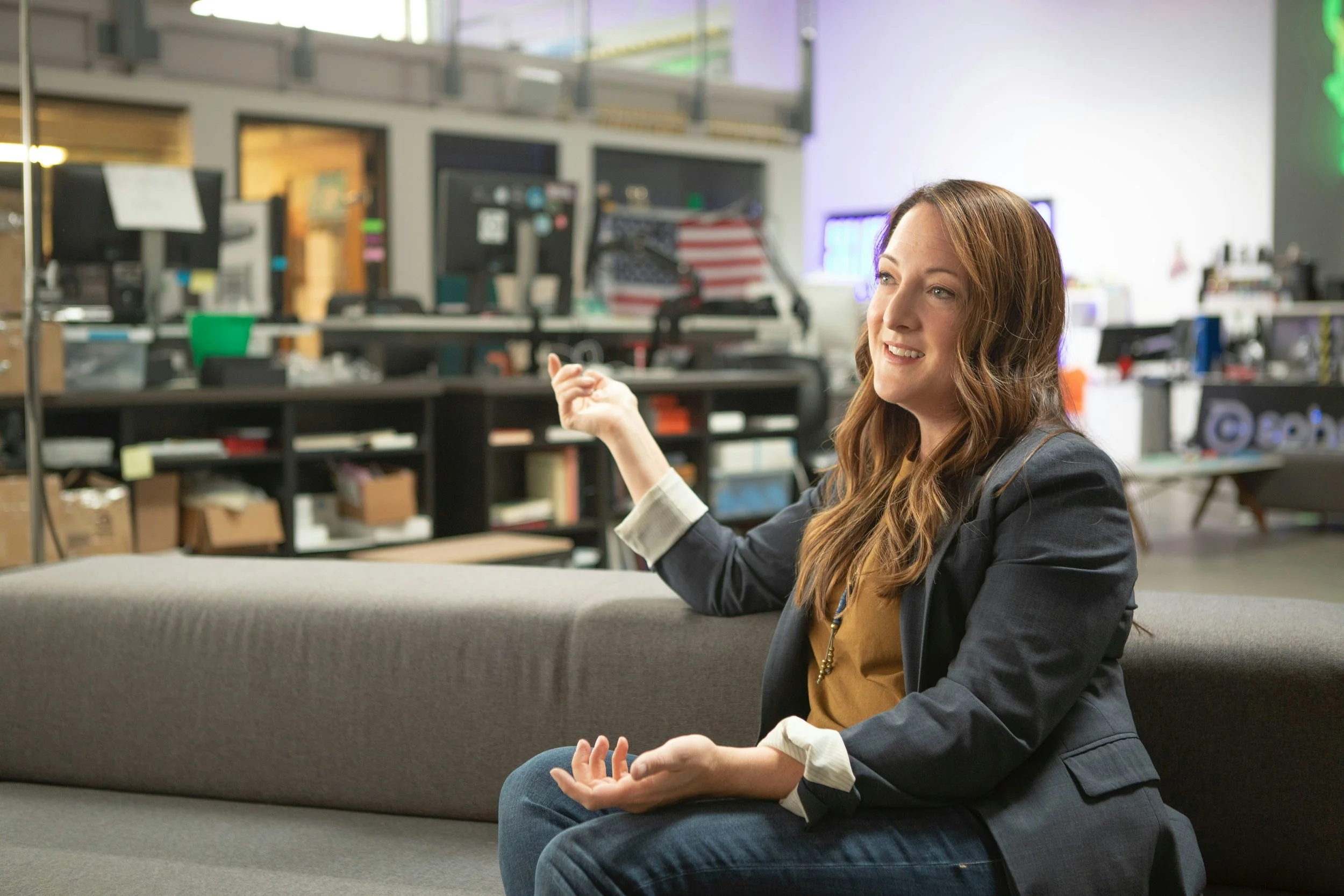
The number one worry clients have is saying the wrong thing on camera. Here is the truth: in a professional production, there is no wrong thing. Multiple takes are normal, and the editor only uses your best moments.
Instead of memorizing a script, prepare talking points. Know the three or four ideas you want to communicate, and trust yourself to say them naturally. Memorized answers almost always sound stiff, while conversational answers sound like you.
Practice out loud once or twice, ideally by explaining your points to a coworker or family member. Speaking your ideas is different from thinking them.
Plan to pause and restart freely. If you stumble, simply stop, take a breath, and start the sentence again. Those moments disappear in editing. The interviewer will guide you through everything.
What to Wear on Camera
Wardrobe questions come up before every shoot. The guidelines are simple:
Wear:
Solid colors, especially mid-tones like blue, teal, burgundy, and gray
Clothing that fits well and represents how clients normally see you
Your uniform or branded apparel if that is how you work
Layers, since studio lighting can be warm
Avoid:
Small, tight patterns like thin stripes or checks, which can shimmer on camera
Pure white or pure black in large amounts, which are hard to expose well
Logos of other brands
Noisy jewelry that taps microphones or jingles when you move
Bring one backup outfit. If two people show up in nearly matching clothes, or something wrinkles in the car, options save the day.
Getting Your Location Camera-Ready
If filming happens at your business, a small amount of prep dramatically improves the footage.
Tidy the areas being filmed, and remember the camera sees backgrounds you stopped noticing years ago
Remove clutter, personal items, and anything you would not want in the final video
Check for branding conflicts, like competitor products or outdated signage in the background
Plan for quiet: silence phone ringers where possible, and warn the team about noisy equipment
Reserve parking close to the entrance for the crew, who arrive with heavy gear
Your production team handles lighting and staging when they arrive, so aim for clean and normal rather than perfect.
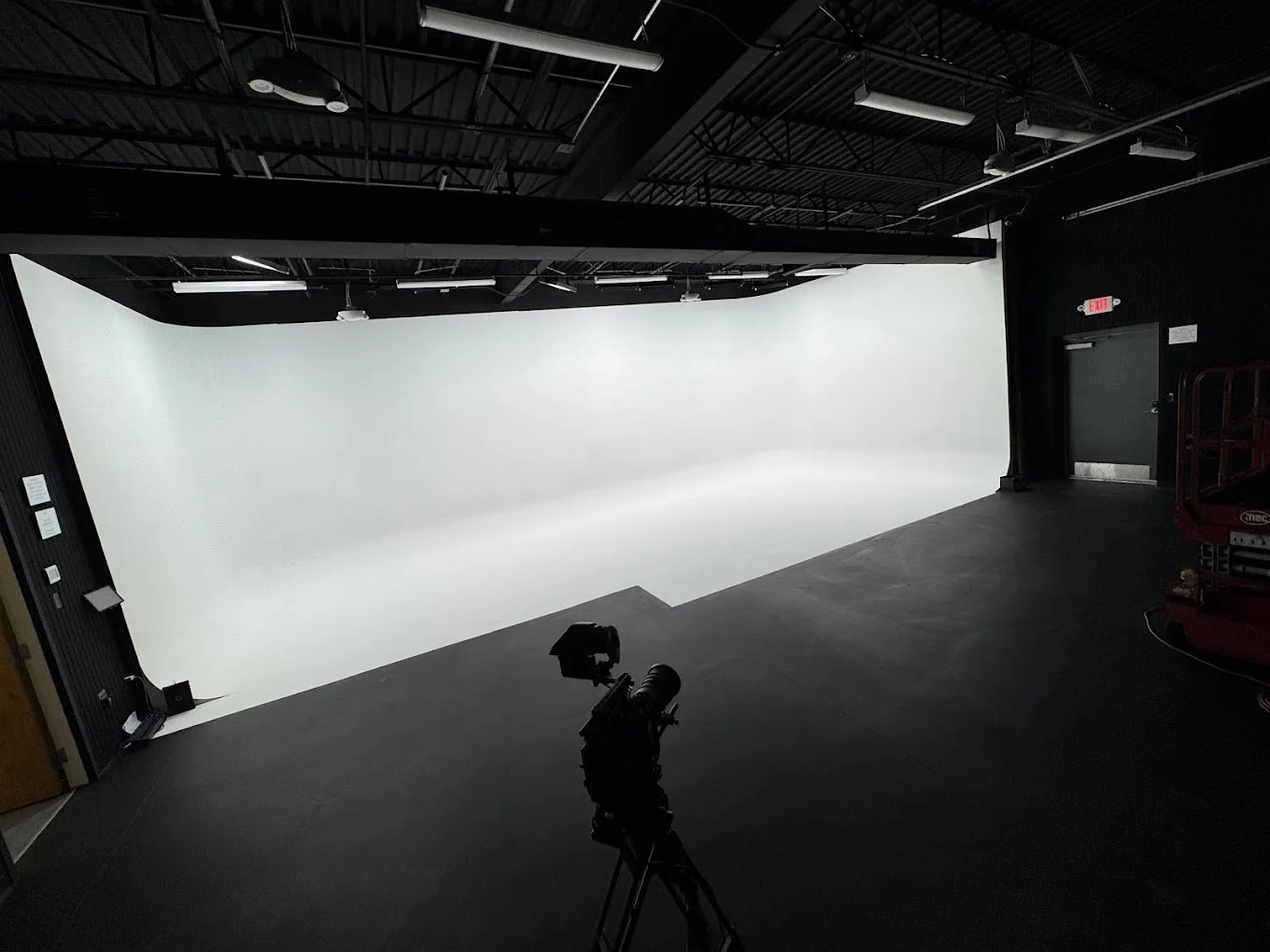
If your space is too small, too loud, or too busy to film in comfortably, talk to your production company about filming in a studio instead. Interviews in particular benefit from a controlled environment.
Briefing Your Team
If employees appear in the video, or the shoot happens during business hours, communication prevents awkwardness.
Tell everyone a film crew is coming, even people not being filmed
Confirm your on-camera participants are comfortable and know their time slots
Choose people who are enthusiastic rather than reluctant, since comfort reads on camera
Designate one point person to answer the crew's questions during the day, ideally not the person being interviewed

The Day Before and Day Of
The day before: get real sleep. Fatigue shows on camera more than almost anything else. Lay out your wardrobe, review your talking points once, and stop there. Over-rehearsing the night before usually adds nerves rather than polish.
The day of: eat a real meal before filming, stay hydrated, and arrive a few minutes early rather than rushed. If makeup is part of your routine, wear it the way you normally would. Bring your backup outfit, your phone charger, and your patience, since productions involve waiting between setups.
Then trust the process. The crew has done this hundreds of times, and their job is to make you comfortable and make you look great.
What Your Production Team Handles
Preparation does not mean doing the crew's job. On shoot day, your production team manages the cameras, lighting, audio, staging, scheduling, and everything technical. They will position you, adjust the room, and guide every take.
Your only jobs are showing up prepared, being yourself, and enjoying it more than you expected to.
Curious how the full project unfolds? Here's what to expect during the video production process.
Frequently Asked Questions
-
Simply pause and start your sentence again. Mistakes and restarts are a normal part of every professional shoot, and the editor only uses your strongest takes.
-
Usually not. Memorized answers tend to sound stiff on camera. Prepare three or four key talking points and speak naturally, and the interviewer will guide the conversation.
-
Solid mid-tone colors like blue, teal, burgundy, and gray tend to look best. Avoid small tight patterns, large areas of pure white or black, and clothing with other brands' logos.
-
Arriving 10 to 15 minutes early is usually ideal. It gives you time to settle in without waiting through the crew's technical setup, which can take an hour or more before filming begins.
Ready to Plan a Stress-Free Shoot?
Keylight Film Studios guides clients through every step of production, from planning and preparation through filming and final delivery. Whether we film at your business or in our studio near Orlando, our team makes the process clear and comfortable.
Contact the Keylight team to start planning your video.