
How to Get Great Customer Testimonial Videos
Nothing you say about your business is as convincing as what a happy customer says about it. That is why testimonial videos consistently rank among the highest-converting content a company can produce. Prospects trust people like themselves more than they trust marketing.
But there is a catch: a stiff, scripted, obviously-coached testimonial can do more harm than good. Viewers can smell inauthenticity in seconds.
The difference between a testimonial that sells and one that gets skipped comes down to how it is planned, who is in it, and how the interview is run. Here is how to get it right.

Quick Answer
To get great customer testimonial videos:
Choose customers with real stories, not just kind words
Never hand them a script; guide them with good questions instead
Ask about the problem they had before they found you, not just the result
Film in a comfortable setting with professional audio and lighting
Keep the interview conversational and let them talk
Edit to the strongest 60 to 120 seconds, and cut short clips for social
Authenticity is the entire product. Every decision should protect it.
Choosing the Right Customers
The instinct is to ask your friendliest customer. The better move is to ask your most transformed one.
Look for customers who:
Had a real problem before they found you. The story arc of "we struggled, then this changed" is what makes a testimonial persuasive.
Match your target audience. Prospects need to see themselves in the person on screen. If you serve both homeowners and commercial clients, you may need one of each.
Speak with natural enthusiasm. You cannot manufacture energy in the edit. Someone who lights up talking about their experience will outperform a more prestigious but flat customer.
Will actually show up. Reliability matters. A shoot day with a no-show customer is an expensive empty chair.
Two or three strong testimonials beat six mediocre ones. This is one of the seven types of videos every business should have, and it is worth doing at full quality or not at all.
How to Ask Customers to Participate
Most happy customers say yes when asked personally. A few things make it easier:
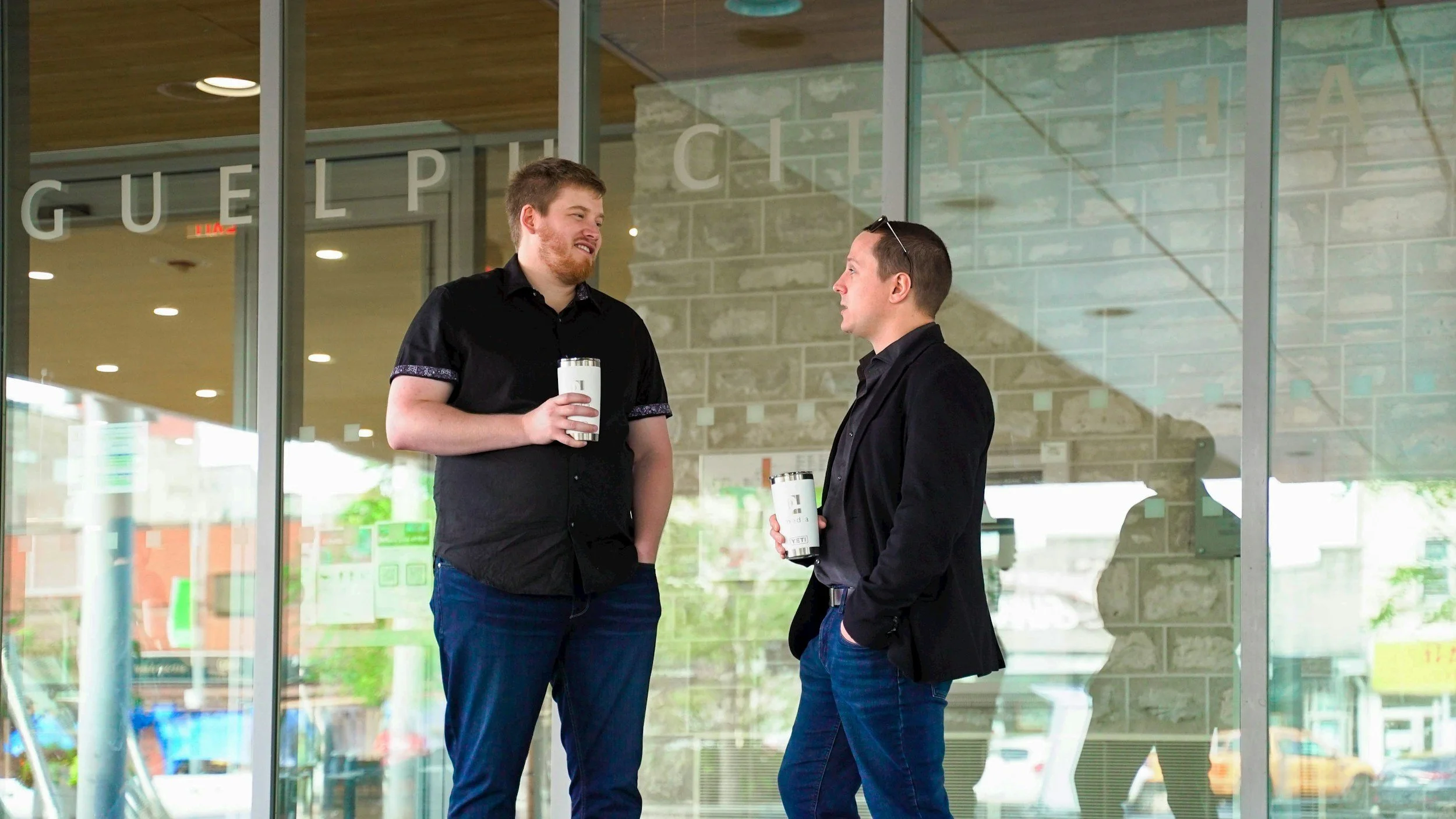
Ask directly, ideally by phone or in person, and explain why you thought of them specifically
Tell them exactly what is involved: how long filming takes, where, and that no memorization is needed
Reassure them that they will not need to perform; they will just answer questions in a conversation
Offer to film at their location or yours, whichever is more comfortable
Handle the release form early so it is not an awkward surprise on shoot day
A thank-you gesture afterward is a nice touch, but avoid framing it as payment. Compensated testimonials can require disclosure and can undercut the authenticity you are working to capture.
Never Use a Script
This is the rule that matters most. The moment a customer reads or recites lines, the testimonial dies on camera.
Instead, prepare an interview guide of questions, and share the general topics ahead of time so the customer can gather their thoughts, without sending the exact questions word for word. You want them thinking about their story, not rehearsing answers.
This is the same principle behind good on-camera prep generally: talking points, not scripts. It applies as much to your customers as it does to you, and we cover it more in how to prepare for your video shoot.
The Questions That Get Great Answers
The secret to a strong testimonial is asking about the journey, not just the destination. Build the interview around this arc:
The before:
What was going on in your business or life before you found us?
What had you tried already? What was frustrating about it?
The decision:
What made you choose us? What almost stopped you?
What were you worried about going in?
The experience:
What was it actually like working with us?
Was there a moment when you knew this was the right call?
The after:
What has changed since? Be specific if you can.
What would you say to someone who is on the fence?
Two interviewer techniques make the answers dramatically better. First, ask people to answer in full sentences that include the question ("Before we found Keylight, we...") since your questions get cut from the final video. Second, follow up on specifics: when a customer says "it saved us so much time," ask "how much? what did you do with it?" Numbers and details are what make testimonials believable.
Filming: Comfort Plus Quality
Testimonials live or die on two things viewers rarely think about consciously: audio quality and how relaxed the person seems.
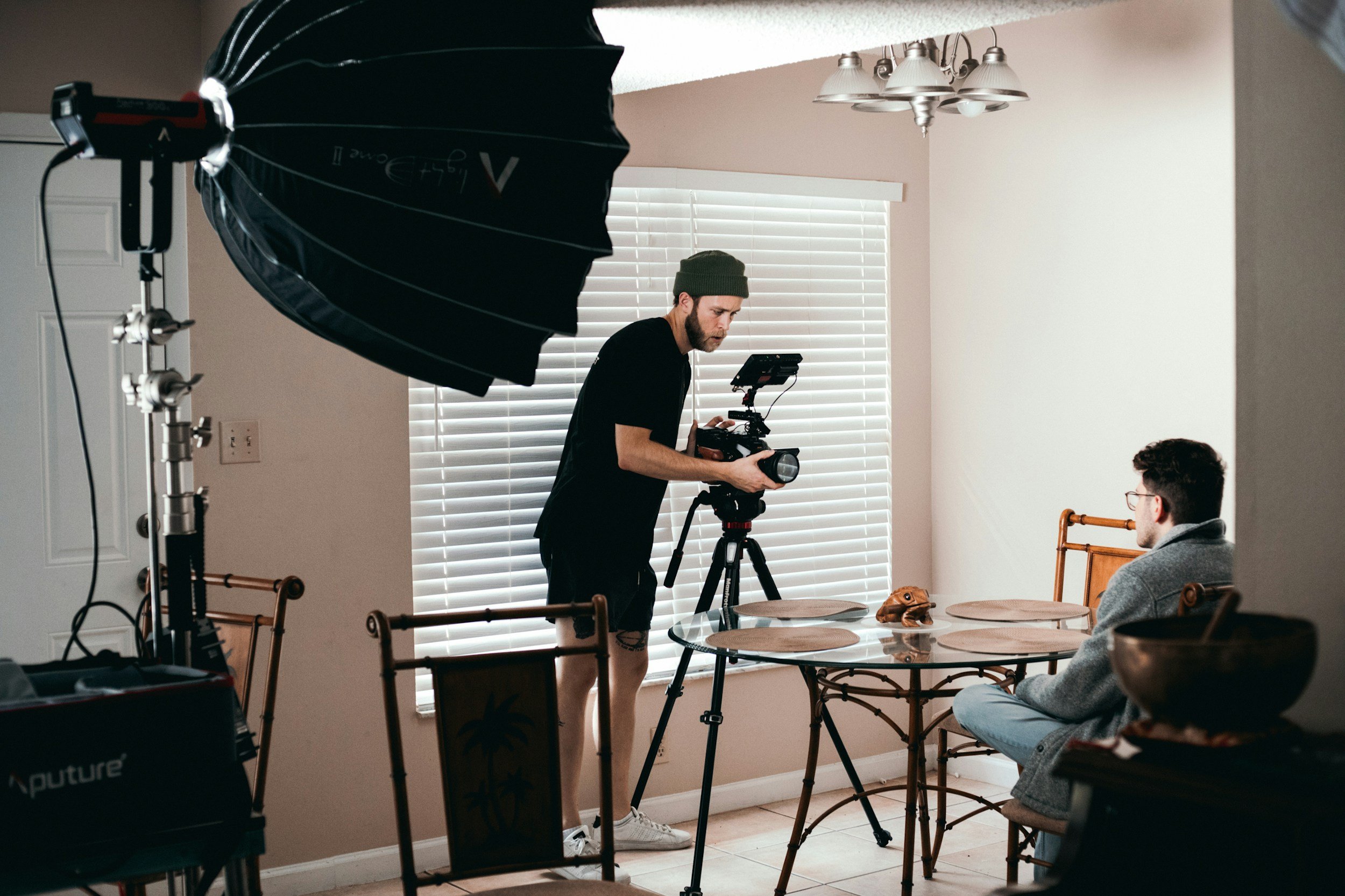
Film somewhere quiet with visual context. The customer's own business is often ideal because it adds credibility. When that is not practical, a controlled space like a production studio guarantees clean audio and consistent lighting.
Use a real microphone. Viewers forgive average visuals far more readily than bad sound. A lavalier or boom mic is not optional.
Let the interviewer sit just off camera. The customer talks to a person, not a lens, which reads as natural conversation.
Warm up before the real questions. A few minutes of small talk on camera lets nerves settle. The first five minutes are rarely usable anyway.
Capture B-roll. Footage of the customer's business, product, or team gives the editor material to cover cuts and keep the video visually alive.
Editing: Where Testimonials Are Made
A 30-minute interview becomes a 90-second video. The edit is where the story gets its shape.
Lead with the strongest emotional moment or the most concrete result, not chronological order
Keep the before-decision-after arc intact
Cut filler ruthlessly, but leave in natural pauses and small imperfections; they read as honest
Add the customer's name, title, and company on screen
Layer B-roll over the interview to show what they describe
End with a clear next step for the viewer
Then cut down further: a 30 to 45-second version for social and a 15-second clip with your single best quote for ads. One interview, planned well, feeds an entire campaign. This multi-version approach is part of what a good team maps out with you during the video production process.
Where to Use Testimonial Videos
Testimonials are among the most reusable content you can produce:
Service and product pages, next to the offer they validate
Sales conversations and proposals
Social media, as short cuts
Email campaigns and nurture sequences
Paid ads, especially retargeting
Trade show displays
Match the testimonial to the page. A homeowner's story belongs on the residential services page, not buried on a general testimonials page nobody visits.
Frequently Asked Questions
-
Aim for 60 to 120 seconds for the full version, with 15 to 45-second cuts for social media and ads. Long enough to tell a real story, short enough to hold attention.
-
Generally no. Paid endorsements can require legal disclosure and can undermine credibility. A genuine thank-you gift after filming is fine, but participation should be voluntary.
-
Two or three strong testimonials covering your main customer types is a solid foundation. Quality and relevance matter far more than quantity.
-
A skilled interviewer and a relaxed setup solve most nerves. Small talk before the real questions, conversational pacing, and reassurance that everything can be re-answered will bring out natural responses.
Ready to Capture Your Customers' Stories?
Keylight Film Studios films testimonial videos for businesses across Central Florida, at your location, your customer's, or in our studio near Orlando. Our team handles the interviews, the gear, and the editing, so your customers just have to show up and talk.
Contact the Keylight team to plan your testimonial shoot.