
A good corporate video starts long before anyone turns on a camera. Most of what makes it work, or makes it drag, gets decided in planning. Here is how Orlando businesses can plan a corporate video that gets used, not shelved.
Quick Answer
To plan a corporate video in Orlando:
Decide who the video is for and what you want them to do after watching.
Pick a format: interview, explainer, training, culture piece, or event recap.
Choose a location: your office, a client site, or a controlled studio.
Line up the people on camera and give them time to prepare.
Match the crew size to the shoot, from a two-person interview crew to a full production team.
Agree on deliverables up front: lengths, versions, captions, and where each one will live.
Once a production company has those six answers, it can give you a realistic quote and schedule.
Start With the Audience, Not the Camera
Corporate videos fail most often because they try to talk to everyone. A recruiting video, an investor update, and a customer onboarding video need different tone, length, and messaging.
Before you call a production company, write one sentence: "After watching this, [audience] should [action]." That sentence will guide the script, the interviews, and the edit.
Common Types of Corporate Video
Most corporate projects fall into a few categories. Knowing which one you need makes the planning conversation faster.
Company overview or brand story: Who you are and why it matters. Often used on the About page and in sales meetings.
Executive and leadership messages: Internal updates, announcements, and investor communication.
Recruiting and culture videos: Show what it is actually like to work at your company.
Training and onboarding: Process walkthroughs and safety content. Clarity matters more than polish here.
Customer testimonials and case studies: Real clients explaining real results.
Event and conference coverage: Keynotes, panels, and highlight reels.
If you are still deciding between a corporate piece and an ad, our post on corporate video vs. commercial video breaks down the difference.
Choosing a Location
Shooting at your office
Your own space adds authenticity, especially for culture and recruiting videos. Plan for noise from HVAC, phones, and foot traffic. Book a conference room or quiet corner for interviews and let staff know a crew will be on site.
Shooting in a studio
A studio gives you control over light, sound, and schedule. That matters in Central Florida, where afternoon storms and summer heat can disrupt outdoor plans. Keylight's Clermont studio has a sound-proofed stage, a pre-lit cyc wall, a green room, and a hair and makeup room, about 30 minutes west of downtown Orlando.
Mixing both
Many corporate projects shoot interviews in a studio and capture b-roll at the office or on a job site. This keeps interviews consistent while still showing the real workplace.
Preparing the People on Camera
Most employees and executives are not professional on-camera talent. A few steps help a lot:
Share topics or questions a few days ahead, but do not hand out a word-for-word script for interviews.
Ask people to wear solid colors and avoid fine stripes or small patterns.
Schedule executives for a fixed window and protect that time.
Use a teleprompter for scripted messages. Keylight can provide a teleprompter operator.
For more on this, see how to prepare for your video shoot.
What Size Crew Do You Need?
Crew size should match the project, not the budget ceiling.
Two-person interview crew: A camera operator and audio technician with an interview lighting kit. Right for executive messages, testimonials, and simple interviews.
Small production crew: Adds a director of photography, a gaffer, or a second camera. Good for brand stories and recruiting videos with more b-roll.
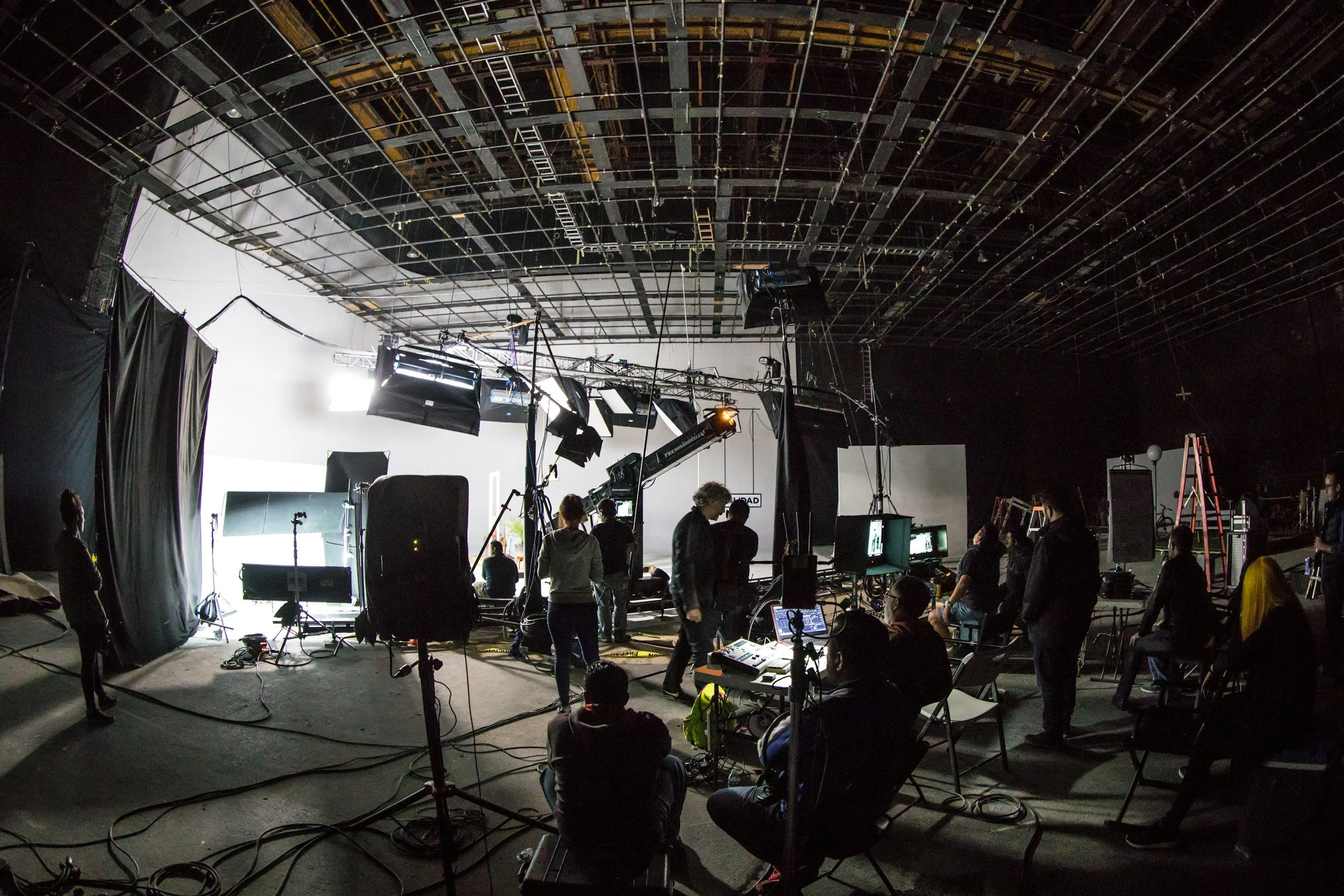
Full production team: Adds a producer, grip, hair and makeup, and production assistants. Used for larger brand films with multiple locations.
You can see the roles Keylight provides on our production crews page.
Planning Deliverables Before the Shoot
One shoot can produce many assets if you plan for them. Ask for these up front:
A main video, often two to three minutes
Short cutdowns for social media in vertical and square formats
Captioned versions for silent autoplay
Raw interview selects your team can reuse later
Not sure how long each piece should be? Read how long should a business video be.
Budgeting for Corporate Video in Orlando
Cost depends on crew size, shoot days, locations, and editing time. A one-day interview shoot with a small crew costs far less than a multi-day brand film with a full team. Keylight publishes crew and equipment day rates on its pricing page and builds custom quotes for full packages.
To see everything that goes into a project from start to finish, visit our Orlando video production services page.
Frequently Asked Questions
-
It depends on crew size, number of shoot days, and editing. Simple interview videos with a small crew are the most affordable. Multi-location brand films cost more. Keylight posts day rates on its pricing page and provides custom quotes for full projects.
-
Most projects take two to six weeks from first call to final delivery. Planning and scheduling usually take the longest. The shoot itself is often one or two days.
-
Yes. Keylight crews film at offices, job sites, and event venues across Orlando and Central Florida. We can also host the shoot at our Clermont studio.
-
Yes. Keylight offers full-service video production, including post-production, so one team can take your project from planning through final delivery.
Planning a Corporate Video?
Tell us who the video is for, where you want to film, and when you need it. We will recommend the right crew and send back a clear quote.