
DIY vs. Professional Video: When to Hire a Pro
Every phone in your office can shoot 4K video. Editing apps are free. Social platforms reward raw, unpolished content. So it is fair to ask: why would a business pay a production company at all?
The honest answer is that you shouldn't, for everything. Some videos are better made in-house, quickly and cheaply. Others will quietly cost you more in lost trust and wasted ad spend than a professional shoot ever would. The skill is knowing which is which.
This guide lays out where DIY video works, where it falls short, and how to split your video budget so you get the most from both.
Quick Answer
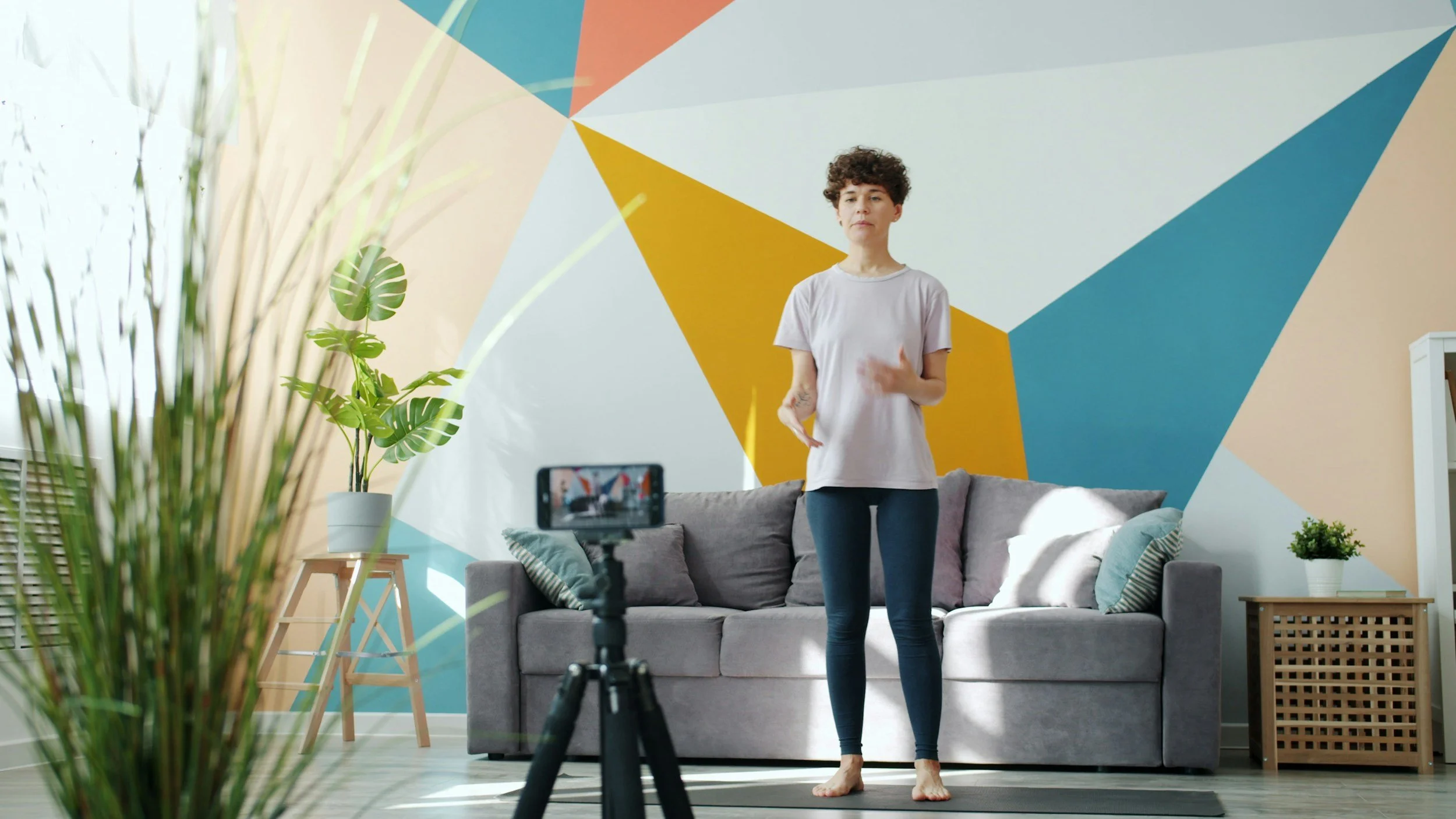
DIY video works well for:
Day-to-day social media posts, stories, and quick updates
Behind-the-scenes and team culture clips
Internal announcements and informal training
Fast reactions to news or trends
Hire a professional for:
Brand story and company overview videos
Website homepage and service page videos
Paid ads and commercials
Customer testimonials
Event coverage and live streams
Anything that represents your business to a high-value prospect
The simple test: if the video will live on your website, run as an ad, or be seen by someone deciding whether to spend real money with you, it deserves professional production.
What DIY Video Does Well
DIY video has real strengths, and it is worth being clear about them.
Speed. You can film, edit, and post in an afternoon. When something timely happens, nothing beats a phone in your pocket.
Authenticity. On social platforms, polished content can feel like an ad. A casual clip of the owner explaining something, or the team celebrating a win, often feels more human and gets more engagement.
Volume. Social algorithms reward consistency. Few businesses can afford a production crew for three posts a week, but almost anyone can shoot them on a phone.
Low stakes. If a quick story post falls flat, it disappears in 24 hours. There is room to experiment.
For this kind of everyday content, DIY is not a compromise. It is the right tool.
Where DIY Video Falls Short
The problems start when DIY video is asked to do a job it was never built for.
Audio
Viewers will forgive slightly soft footage. They will not forgive bad audio. Echoey rooms, HVAC hum, wind, and a phone mic ten feet from the speaker are the most common reasons DIY video feels amateur. Professional crews use dedicated microphones, monitor sound on headphones throughout the shoot, and clean it up in post.
Lighting
Phone cameras handle bright, even light well and struggle with everything else. Mixed window and overhead light, harsh shadows under the eyes, and dim offices are where footage starts to look cheap. Lighting is often the single biggest visible difference between DIY and professional video.
Story and structure
Most DIY business videos are not bad because of the camera. They are bad because nobody planned what the video needed to say, to whom, and in what order. Professionals spend as much time in pre-production as they do filming, working out the message, the script or interview questions, and the shot list before a camera ever rolls.
On-camera coaching
Most people freeze up on camera. An experienced director knows how to put people at ease, how to ask questions that draw out natural answers, and when to try a line again. That skill is invisible in the final video, which is exactly the point.
Editing
Pacing, color correction, sound mixing, graphics, and music licensing all take time and expertise. A great shoot can be undone by a rushed edit.
Your time
This is the cost most businesses forget. Planning, filming, reshooting, and editing a single polished video can eat days of an owner's or marketing manager's time. That time has a price, even if it never shows up on an invoice.
The Real Cost of "Free" Video
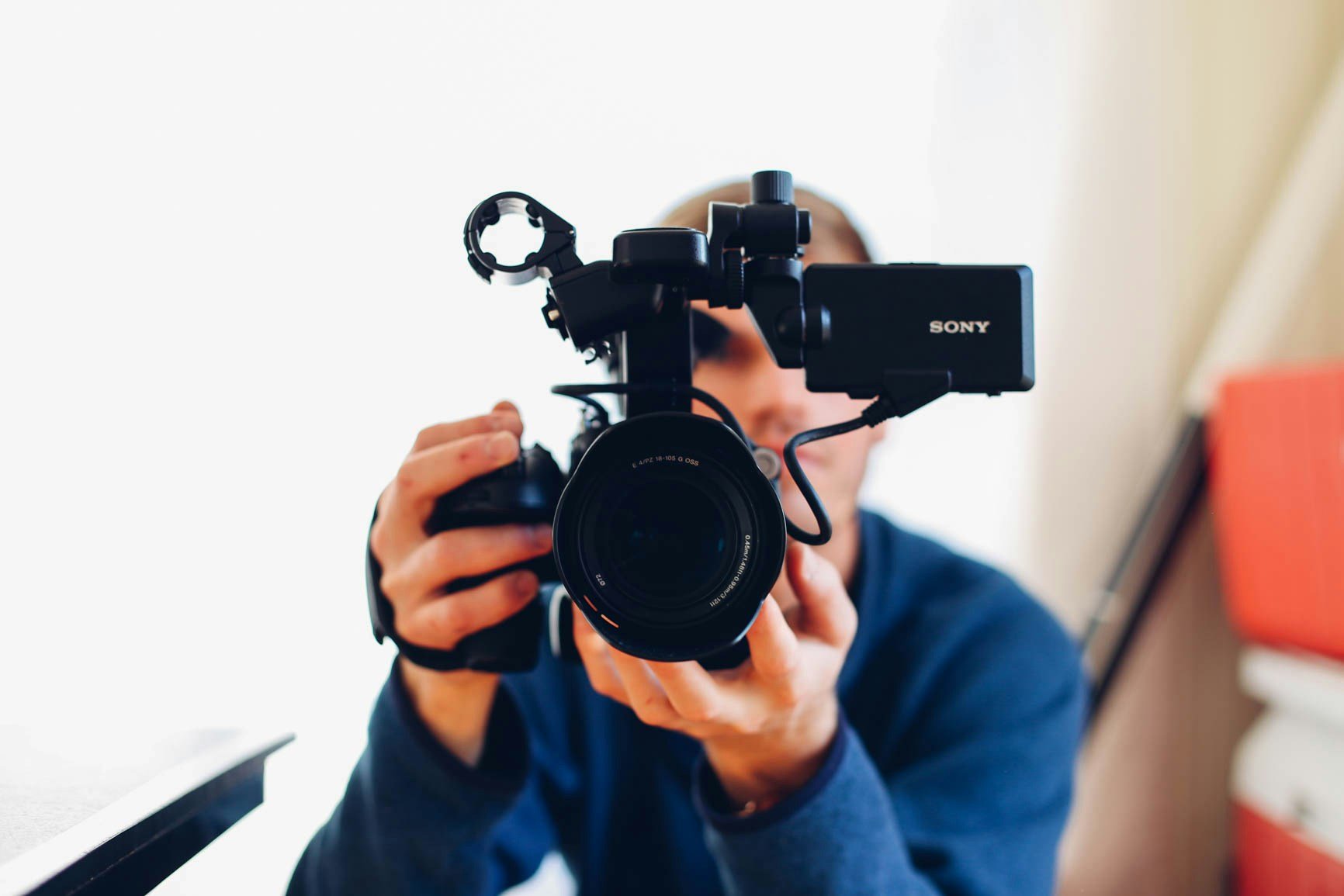
DIY video looks free, but the costs are real. They just show up in different places.
A homepage video that looks homemade tells visitors something about how you run your business, whether that is fair or not. A paid ad with muddy audio burns through ad spend without converting. A testimonial where the customer is backlit and hard to hear loses the credibility it was supposed to build.
Professional video, on the other hand, is a durable asset. A well-made brand video or testimonial can work on your website, in sales emails, at trade shows, and across social for years. When you divide the cost across its useful life, it often looks very different than the upfront number.
If you are weighing budgets, our guide to video production costs in Orlando breaks down what drives pricing and where the money goes.
The Hybrid Approach Most Businesses Use
For most businesses, the answer is not DIY or professional. It is both, used strategically.
Invest professionally in your foundation videos. These are the pieces that represent your brand for the long term: a brand story, service overviews, testimonials, and a homepage video. Our list of the 7 types of videos every business should have is a good place to start planning which ones you need.
Fill the gaps with DIY. Use your phone for the high-volume, short-lived content that keeps your social channels active between bigger projects.
Get more from every professional shoot. A single production day can produce far more than one video. With planning, a crew can capture your main piece plus social cutdowns, B-roll, headshots-style interview clips, and photos you can use for months. Ask about this upfront, since it is much cheaper to plan for than to add later.
Level up your DIY where it counts. If you are filming a lot in-house, a good microphone and a simple light will improve your content more than a new camera. For bigger in-house projects, renting professional gear or booking a studio gives you pro-level tools without owning them.
Questions to Ask Before You Decide
If you are unsure which route a specific video should take, run through these:
Where will this video live? Website, ads, and sales materials point toward professional. Stories and casual posts point toward DIY.
How long will it be used? Anything meant to last a year or more is worth investing in.
Who is the audience? The higher the value of the viewer's decision, the higher the production standard should be.
What happens if it looks amateur? If the answer is "nothing much," DIY it. If the answer is "we lose credibility," hire a pro.
Do we have the time? Be honest about how many hours your team can realistically give it.
Choosing the Right Professional Team
If you decide a project needs a professional crew, the next step is finding the right fit for your goals and budget. Our guide on how to choose a video production company in Orlando walks through what to look for, what to ask, and the red flags to avoid.
Frequently Asked Questions
-
You can get surprisingly close for simple content, especially with a good external microphone, soft natural light, and a tripod. Where phones still fall short is controlled lighting, clean audio in difficult spaces, shallow depth of field, and complex multi-camera shoots. For social content, a phone is often enough. For your website and ads, the gap is noticeable.
-
For the videos that do the heaviest lifting, usually yes. A brand video, homepage video, or set of testimonials can support sales for years, and poor-quality versions of those videos can undercut trust with the exact customers you most want to win. Most small businesses get the best return by investing professionally in a few core videos and handling everyday social content themselves.
-
Bad audio. Viewers will tolerate imperfect visuals, but echo, background noise, and distant voices make people click away fast. The second biggest mistake is skipping planning. Deciding exactly what the video needs to say before filming fixes more problems than any piece of equipment.
-
Often, yes. Many businesses use a professional shoot to create a library of B-roll and interview footage they can reuse in their own edits. Studio rental and equipment rental are also options for teams that want to film themselves with better tools. Keylight offers both, along with full-service production when you need a complete crew.
Ready to Talk About Your Project?
Not sure which of your videos need a professional crew? Tell us what you're planning and we'll give you an honest recommendation, even if part of the answer is "shoot that one yourself."